Three Year

Three Year Torah Reading Cycle

The Three Year Torah Reading Cycle found here is based on the Triennial Cycle as formulated by the following scholars: Charles Perrot, “The Reading of the Bible in the Ancient Synagogue” in Martin Mulder, ed., Mikra (Fortress, 1988), pp. 139ff; Cecil Roth, “Triennial Cycle” in Encyclopedia Judaica (Keter, 1971), 15.1386-1389; and Jacob Mann, The Bible as Read and Preached in the Old Synagogue, 2 vols. (KTAV, 1971), which contains a very helpful Prolegomenon by Ben Zion Wacholder.

Passages from the Apostolic Scriptures (New Testament) have been added to accompany the weekly sections of the Torah and Prophets as listed in the Triennial Cycle. In choosing these readings from the Apostolic Scriptures, general themes or topics were considered to be the primary factor.

2026/2027 1 Year Reading Schedule​

Access the full one-year Torah reading cycle for 2026/2027 to stay organized and on track with your studies.

2026/2027 3 Year Reading Schedule

Access the full one-year Torah reading cycle for 2026/2027 to stay organized and on track with your studies.

2027 Festival Schedule

Keep your calendar up to date. Get the yearly festival schedule and mark the biblical festivals and Shabbats on your calendar.

Weekly Torah Portion Commentary

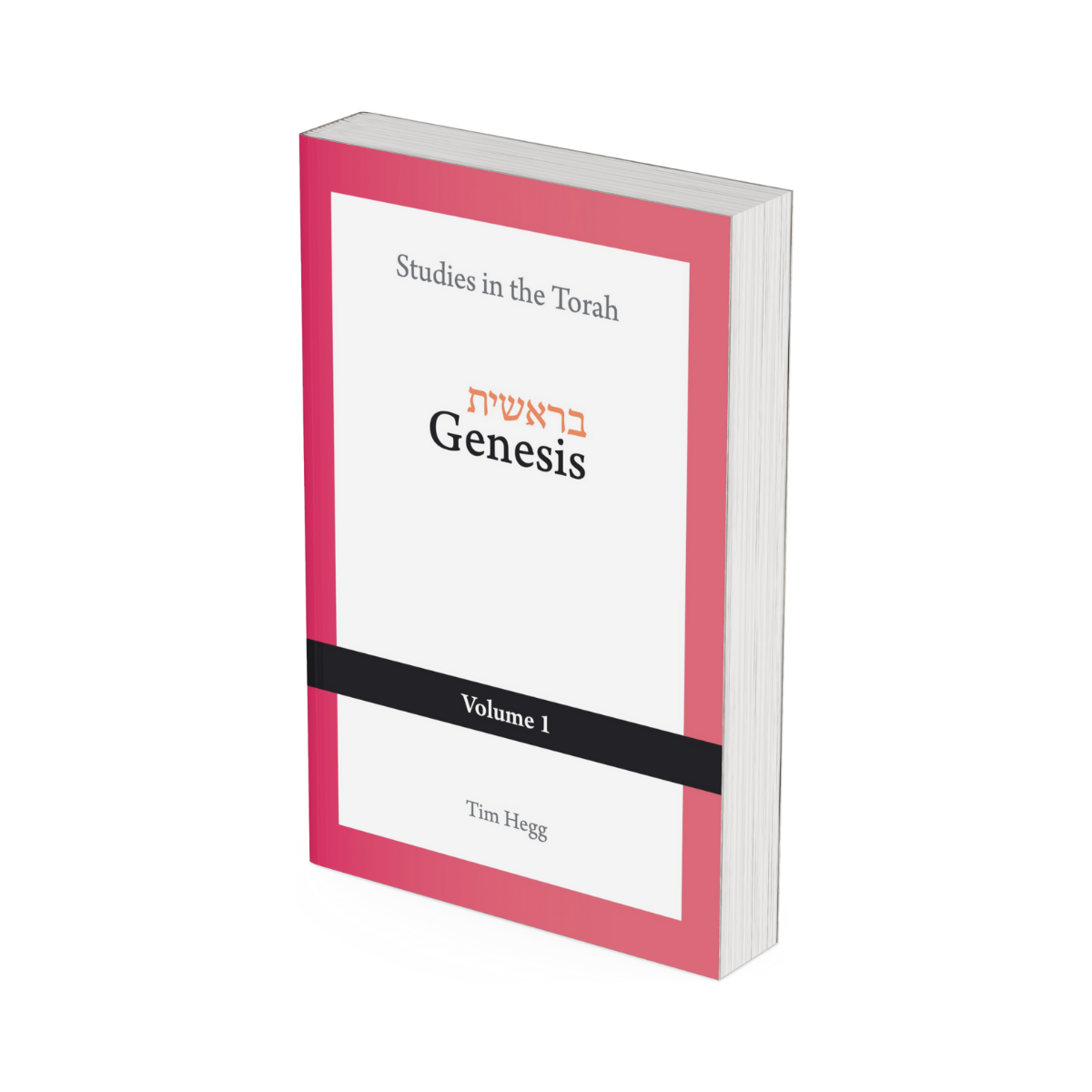
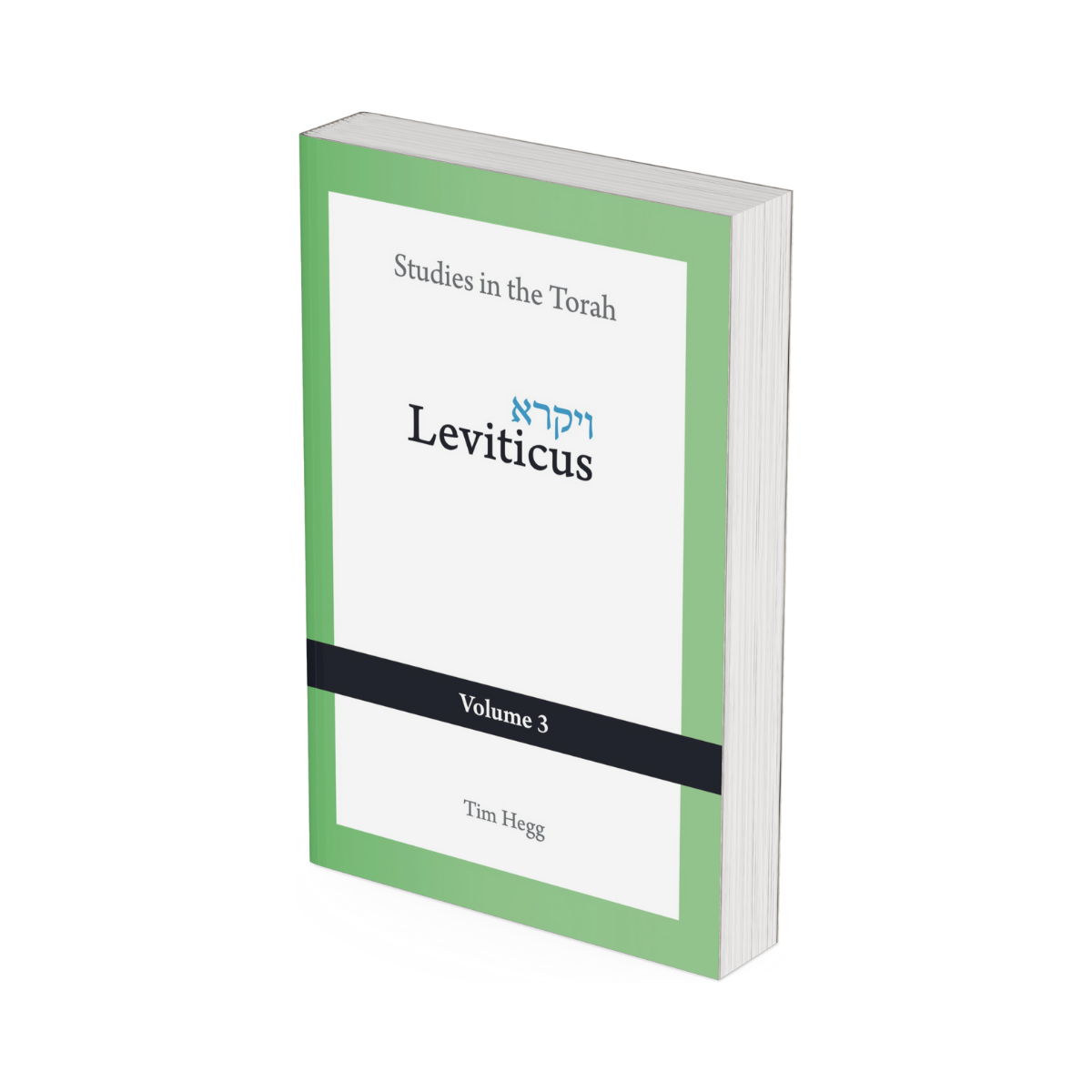
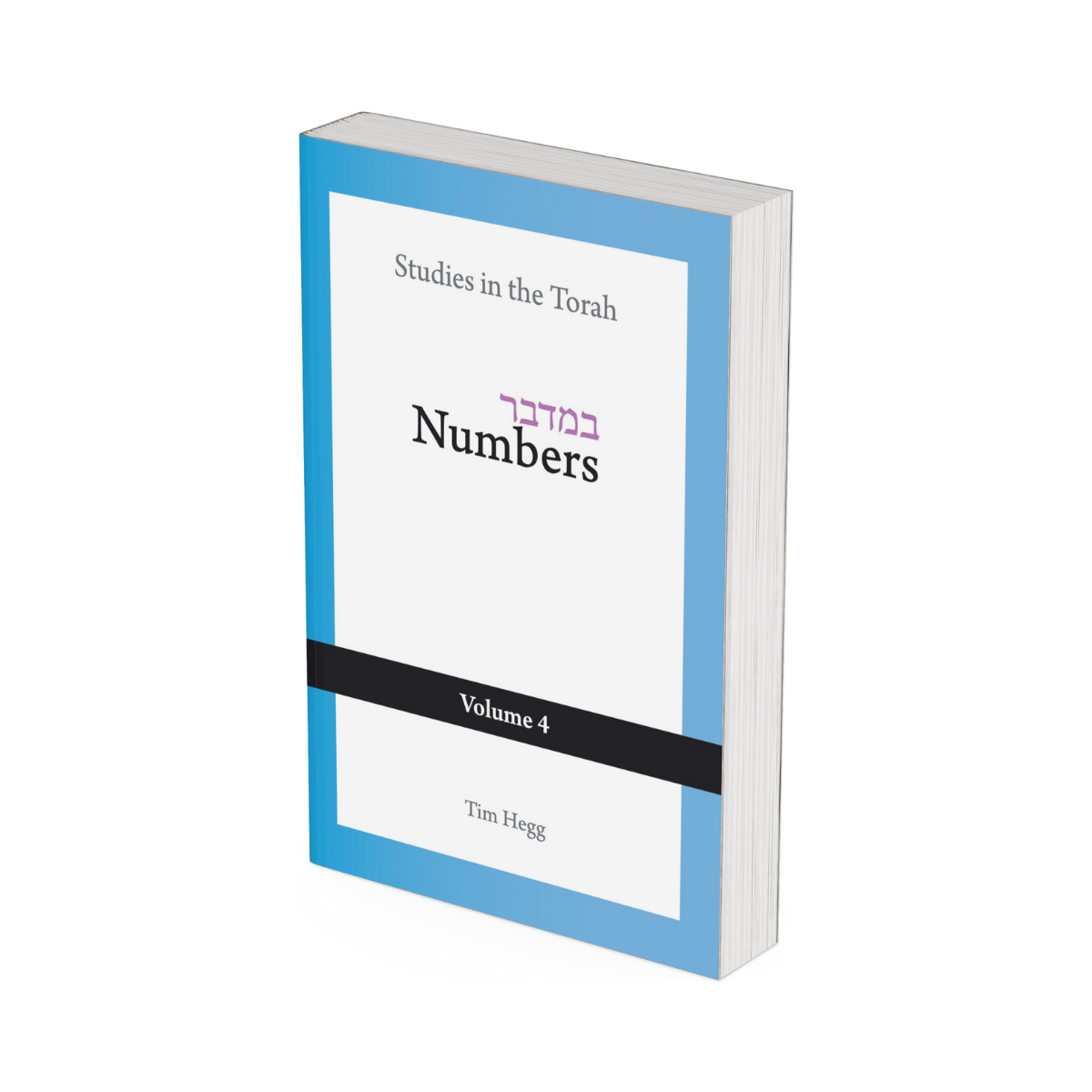
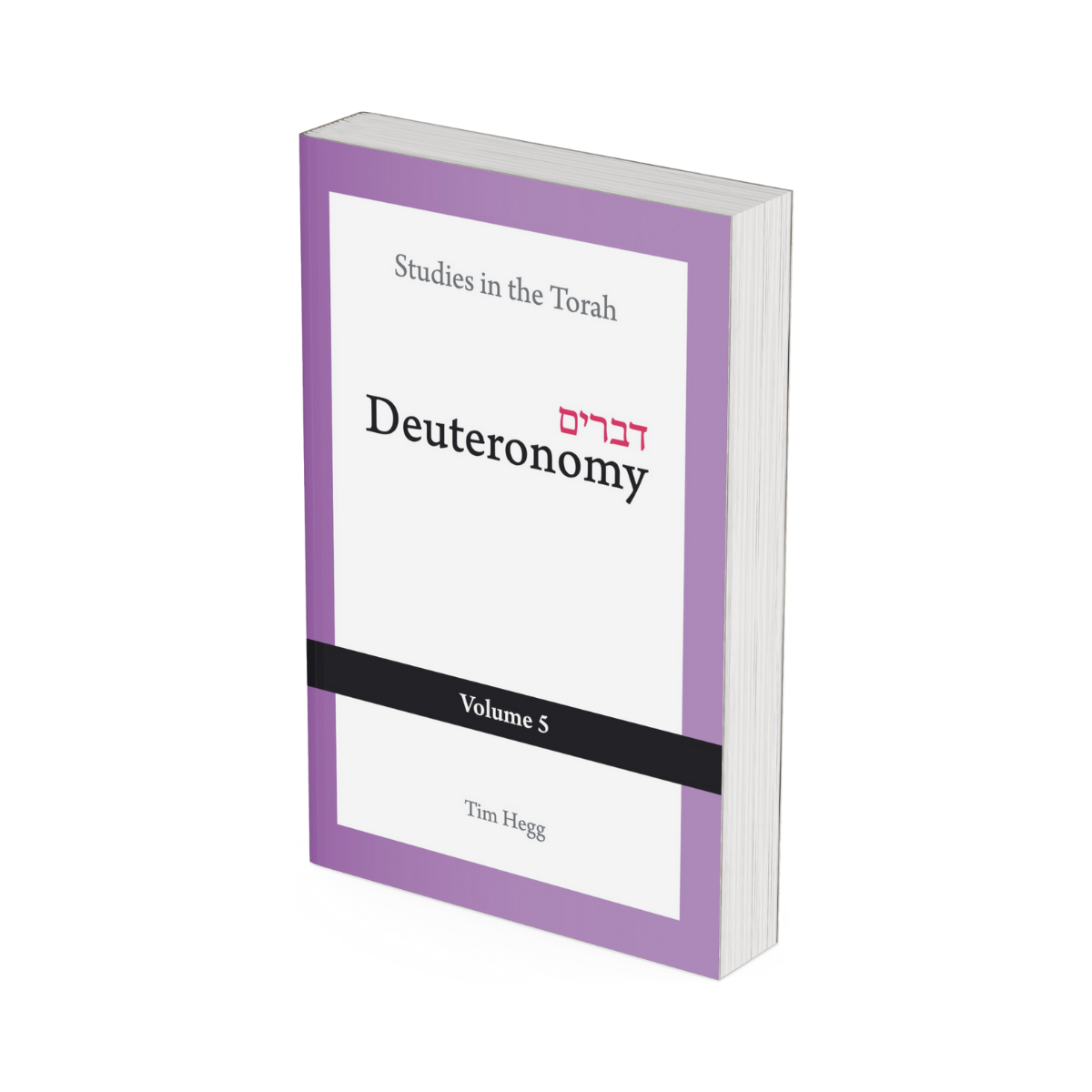
In the Three Year Reading Cycle, the Torah is divided into 151 parashot, or portions. Tim Hegg has written a commentary for each parashah which are provided here, free to download in PDF, MOBI and EPUB formats. These articles are organized by the five books of the Torah. You can download these commentaries totally FREE by clicking the image for the book you want. 

If you would like to purchase hardcopies of these commentaries, you can click the button below

Select a book below to access commentary FREE:
Genesis lays the foundation of creation, covenant, and the early patriarchs of Israel. It introduces God’s promises to Abraham, Isaac, and Jacob, setting the stage for Israel’s identity.
Exodus tells the powerful story of Israel’s deliverance from Egypt and the giving of the Torah at Sinai. It marks the birth of a nation called to walk in covenant with God.
Leviticus centers on holiness, worship, and priestly instruction. It reveals how a redeemed people draw near to God through sacrifice and obedience.
Numbers follows Israel’s journey through the wilderness, marked by testing, rebellion, and divine guidance. It reflects God’s patience and faithfulness in shaping His people.
Deuteronomy is Moses’ final message before Israel enters the Land. It reviews the covenant, calls for faithfulness, and urges love for God with heart and soul.